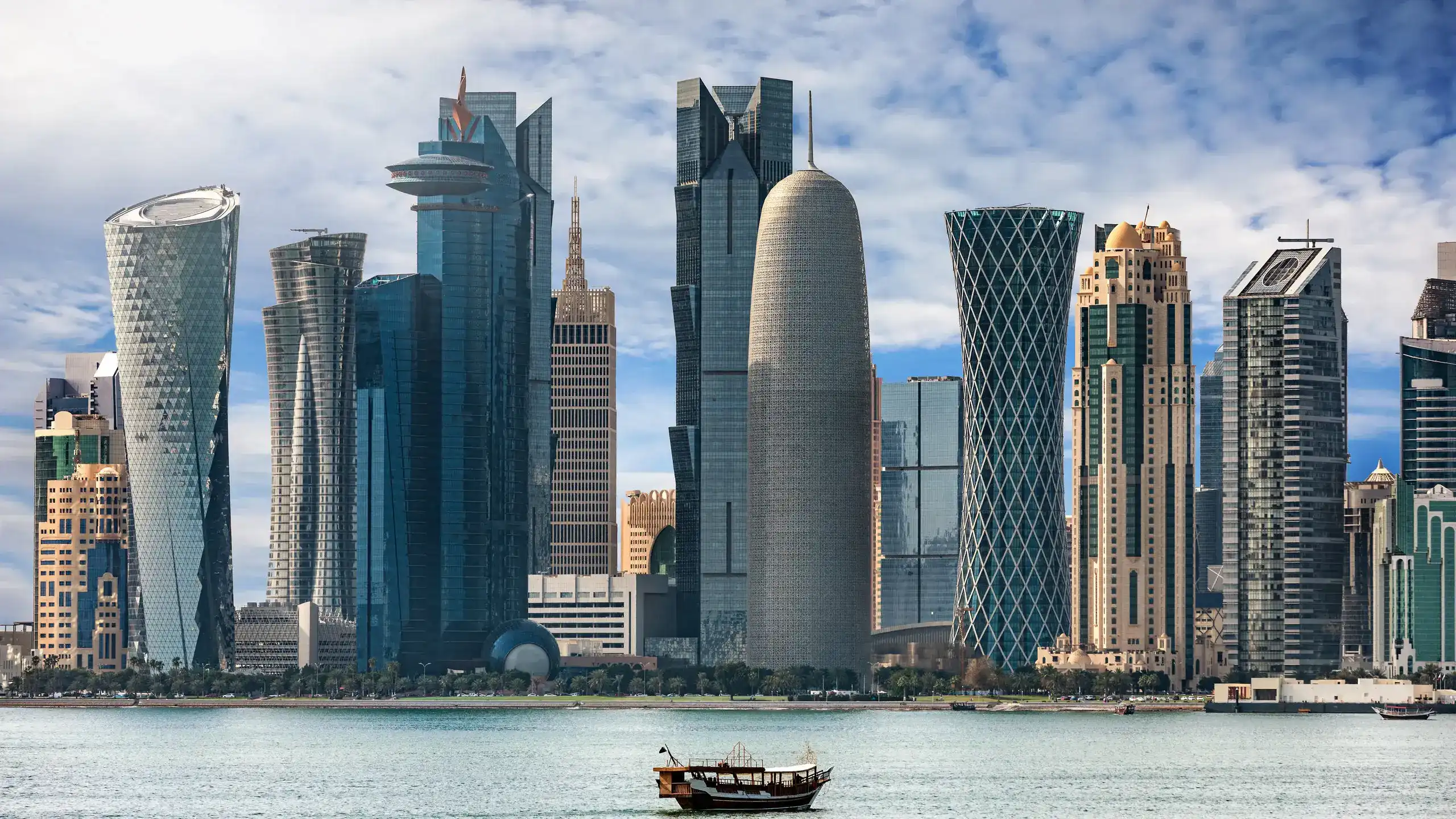

After hosting the 2022 FIFA World Cup, Qatar has doubled down on transforming itself into a long-term tourist hub. The stadiums, infrastructure, and transportation systems built for the tournament are now repurposed for events, leisure, and global conferences — positioning Qatar as more than just a one-time host.
The country is investing in sustainable tourism, including eco-lodges in the desert, wildlife preservation programs, and smart city development in Lusail. Stadiums like Al Bayt and Education City are now open for tours, community events, and sports leagues — turning legacy infrastructure into cultural assets.
Qatar is also expanding its airline and hospitality sectors. Hamad International Airport was ranked among the world’s best, and Qatar Airways continues to attract travelers with excellent service and global connectivity. The rise in luxury hotels and beachfront resorts along the Gulf Coast complements its appeal to upscale travelers.
With its mix of heritage (like Al Zubarah Fort, a UNESCO site), natural beauty (the mangroves of Al Thakira), and modern marvels, Qatar is proving that its post-World Cup era is just the beginning. For travelers seeking a unique blend of Middle Eastern warmth and futuristic vision, Qatar is now firmly on the global tourism map.